The Role of Clinics in Modern Healthcare: A Personal Journey
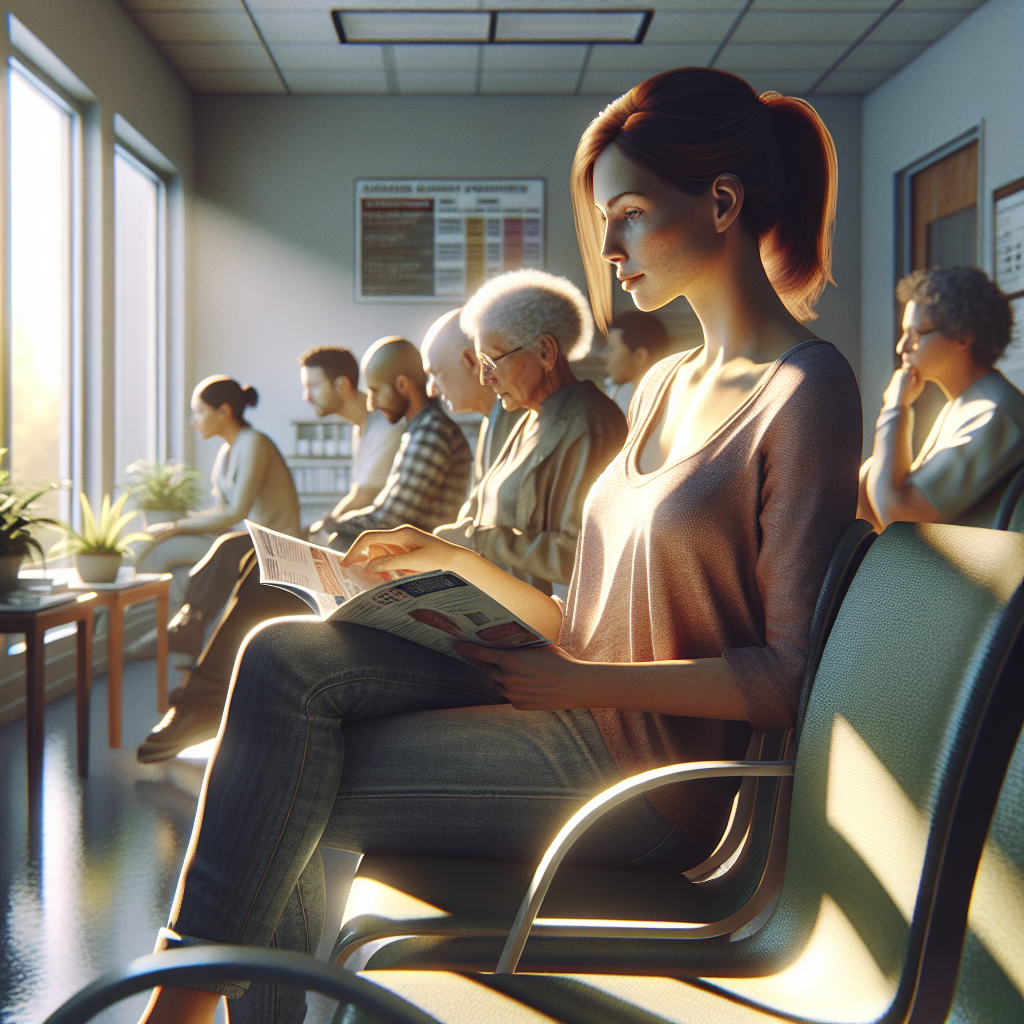
When I first stepped into a clinic, I wasn’t quite sure what to expect. I felt a mix of anxiety and curiosity. Once I got inside, I began to see how crucial these spaces are for our healthcare system. From my experiences, I’ve learned that clinics play a vital role in not just my health, but the well-being of my family and community too. Let me share my story and insights on the incredible value clinics bring to healthcare.
A Safe Space for Health
Walking into that clinic for the first time felt a little intimidating. The waiting room was filled with people of all ages, some waiting patiently, while others were clearly in distress. In that moment, I realized this was a place of care—a safe space designed for healing.
Clinics serve as the bridge between patients and healthcare providers. They provide a comfortable setting where you can talk about your health without fear of judgment. The staff was friendly, which made the experience a bit less daunting. Their welcoming smiles said, “You’re safe here,” and that’s exactly what I needed.
Convenience at Its Best
One of the things I appreciate about clinics is their convenience. Back when I was juggling work and family commitments, finding time to see a doctor felt nearly impossible. That’s when I discovered that clinics operate with flexible hours, often extending into evenings or weekends.
One clinic near me even had same-day appointments, which was a lifesaver. It was refreshing to be able to walk in and receive care without lengthy waits. I learned that clinics often cater to urgent care needs, managing minor illnesses and injuries. Instead of booking a hospital trip for a simple issue, I could simply drop by the clinic. This accessibility means that people are more likely to seek the care they need promptly.
Understanding the Variety of Services
Clinics come in many shapes and sizes. Some focus on urgent care, while others might specialize in family health or women’s health. I remember needing a routine physical for a school requirement. A nearby family clinic was perfect for that. The doctor was friendly, and it felt like a casual check-in rather than a formal appointment.
I've also visited clinics for vaccinations during flu season, and it was always a breeze. The staff was trained to handle such situations smoothly and efficiently. It was comforting to know that I could bring my whole family to these clinics for preventive care.
The Importance of Preventive Care
Speaking of preventive care—it’s something I’ve come to appreciate deeply. When my kids were younger, I took them for regular check-ups and vaccinations. Those visits helped keep them healthy and catch any issues before they became serious.
Clinics emphasize the importance of these preventative measures. During our visits, the doctors not only checked their physical health but also took the time to discuss mental well-being, nutrition, and lifestyle choices. It felt like a holistic approach to healthcare, which resonated with my desire to instill healthy habits in my children.
Building Relationships with Healthcare Providers
Another incredible aspect of clinics is the relationship you can build with healthcare providers. When I first visited my family clinic, I was assigned a primary care doctor who became familiar with my health history. Over time, this connection made a huge difference.
I felt comfortable sharing my concerns—whether it was about my lingering cold or my family's health history. The doctor knew my kids, understood our family dynamics, and was there to guide us. This personal touch is something you may not always find in larger hospitals.
The Role of Technology in Clinics
In our tech-driven world, I’ve noticed that clinics have also jumped on the digital bandwagon. Using technology like the ComunityApp has been a game-changer for managing my family’s medical information.
With the app, I can store all health records, prescriptions, and even vaccination certificates in one secure place. The best part? I can share this information easily with my family members, ensuring everyone stays updated on their health.
The AI-powers within the ComunityApp are impressive too. I can summarize complex medical documents into plain language or get reminders for appointments and medications. It gives me peace of mind knowing I have everything I need at my fingertips.
Reducing Healthcare Costs
Let’s talk about something we all care about: costs. Clinics often provide care at a lower price compared to emergency rooms or hospitals. I’ve found that visiting a clinic for minor health issues is easier on my wallet.
For example, when my child had a bad cough, going to the clinic for a quick evaluation was not only convenient but also budget-friendly. Many clinics also accept insurance, which helps in making healthcare accessible for families like mine.
Navigating Healthcare Systems
Entering the healthcare system can feel overwhelming. Clinics help simplify this process. They often guide patients through referrals to specialists if more assistance is needed.
When my partner needed to see a specialist, our clinic took care of the referral. They communicated with the specialist's office and made the entire process as seamless as possible. It was one of those moments where I truly appreciated the interconnectedness of the services clinics provide.
Educational Role of Clinics
Another aspect of clinics that often gets overlooked is their educational role. During our visits, I’ve received valuable health advice, preventive practices, and insights into managing chronic conditions.
For example, after visiting the clinic for routine check-ups, the nurses shared tips on nutrition and exercise that I could easily integrate into our daily lives. This education empowers patients and promotes healthier lifestyles, something I wish more families could take advantage of.
Community Impact
Clinics aren't just about individual care; they have a broader impact on community health. I’ve seen how clinics are involved in health fairs, vaccination drives, and even wellness workshops.
For example, my clinic sponsored a health fair where families could receive free health screenings and information about local health resources. It fostered a sense of community and encouraged a collective pursuit of better health.
Embracing Change in Clinics
Like any sector, clinics evolve with the times. I’ve seen clinics adapt to changing health trends, embracing telemedicine and virtual appointments. This option is fantastic, especially for folks who may have a hard time getting out to a clinic.
I recently had a virtual consult for a minor concern, and it was incredibly easy. This adaptability shows how clinics are striving to meet patients’ needs. When you think about access to healthcare, this flexibility is undeniably beneficial.
Conclusion
Reflecting on my experiences with clinics, I can’t help but feel grateful for their role in my healthcare journey. They’re more than just places to receive treatment; they are essential for fostering health awareness, community involvement, and convenience.
No matter what your health needs are, I encourage you to visit a local clinic. Embrace the opportunity to build relationships with healthcare providers and take charge of your health journey. Make sure to also check out the features of ComunityApp (opens in a new tab) to streamline and manage your family’s health information effortlessly.
Overall, clinics provide a vital lifeline in our healthcare landscape, ensuring we don’t just receive care; we understand it, embrace it, and thrive because of it.